Top Landscaping Services in Etobicoke for Lawn Maintenance
Transform Your Outdoor Space: Insights From a Skilled Landscaping Professional
Revamping an exterior living area calls for thoughtful planning and evaluation. A skilled landscaping expert underscores the value of assessing current landscape elements and outlining dedicated sections for diverse activities. Including structural hardscaping components can improve the overall usability of the area. Additionally, selecting the right plants and lighting can greatly impact the complete outdoor experience. Appreciating these aspects is critically important. What steps should one take to effectively bring their vision to life?
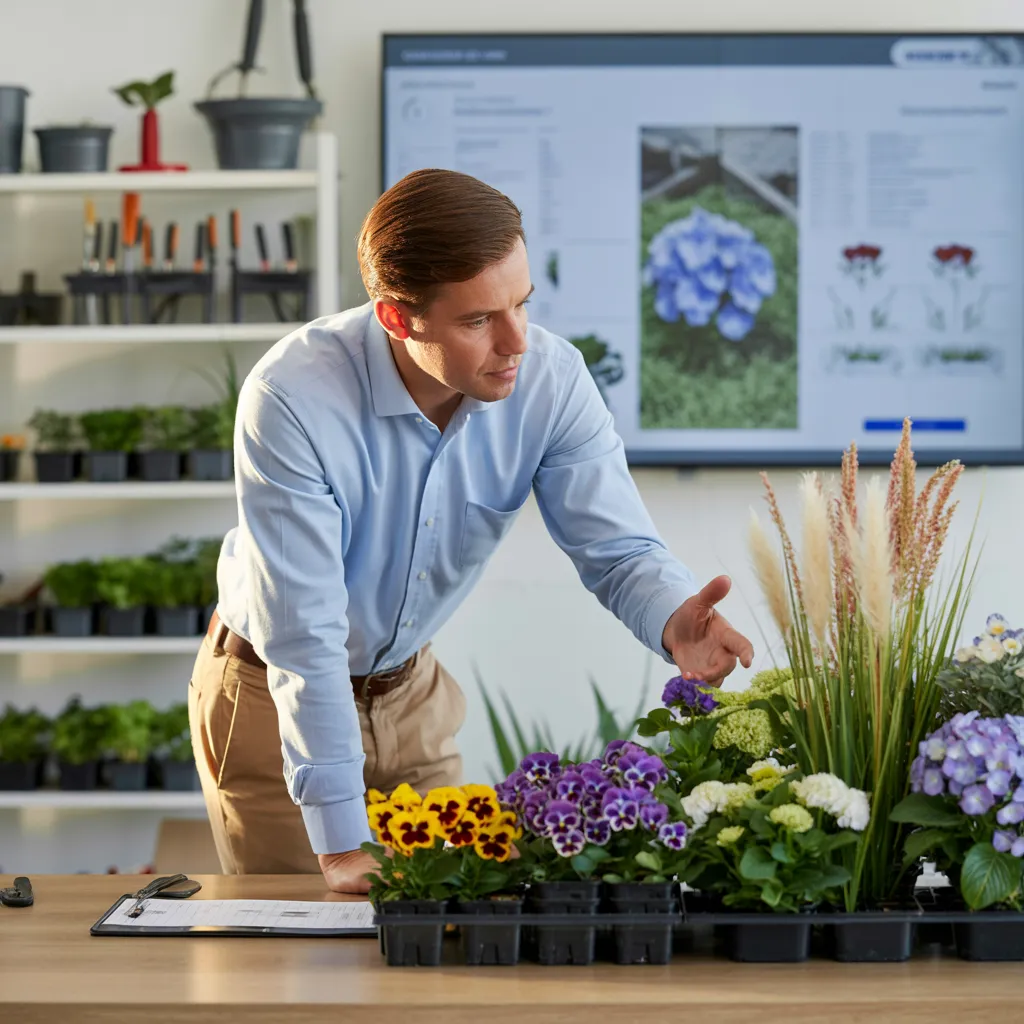
Examine Your Outdoor Area: Pinpoint Important Improvements to Consider
How should one go about examining an outdoor space to pinpoint required modifications? Initially, a detailed examination of the area is required. This involves assessing the practicality of current elements like walkways, seating areas, and illumination. Noting how these components work together can uncover opportunities for enhancement. Furthermore, it is important to evaluate the general state of vegetation and landscaping supplies, identifying sections that might need upkeep or renewal.
Moreover, gauging the usability of the space is vital. Are there zones for relaxation, entertainment, or gardening? Spotting overlooked areas can highlight opportunities for enhancement. Key environmental elements, including sun exposure and water drainage, should also be considered, as they affect plant health and overall enjoyment.
As a final step, collecting input from regular visitors or family members can deliver meaningful observations. By combining personal observations with external input, one is able to form a complete approach for effectively revamping the outdoor area.
Discover Your Style: Selecting the Perfect Style for Your Yard
Picking the right aesthetic for a yard commences with determining personal preferences. Exploring a range of landscaping styles can assist people establish a setting that aligns with their vision and fulfills their desires. By deliberately considering these factors, individuals can turn an outdoor area into a harmonious and welcoming retreat.
Determine Your Preferences
When defining the design of a garden, one must consider personal style and the overall aesthetic vision. This process begins with examining one's own sensibilities, whether gravitating toward contemporary clean lines, countryside appeal, or lush tropical influences. A thorough evaluation of color schemes, plant selections, and garden structures can direct selections that reflect the desired vision. Additionally, practical considerations such as regional climate, care demands, and spatial availability ought to shape the final decisions. Reflecting on how the garden will assessment be used—whether for entertaining, relaxation, or gardening—serves to clarify design preferences. In the end, recognizing these aspects establishes a cohesive design that not only enhances the outdoor space but also reflects the homeowner's personality and lifestyle, laying the groundwork for an authentically customized garden journey.
Browse Garden Themes
Discovering landscape styles allows property owners to establish a unique exterior visual style that reflects their personal tastes and way of life. Various themes, such as Mediterranean, modern, or cottage, present unique elements that can be tailored to individual tastes. A charming cottage-inspired garden, known for its casual arrangement and rich variety of plants, exudes charm and warmth. Conversely, a minimalist garden design focuses on sleek design and simplicity, often incorporating paved surfaces and modern elements. Mediterranean themes inspire relaxation, incorporating hardy plants and rich, warm tones. When selecting a theme, home dwellers should take into account climate, maintenance requirements, and personal style. At its core, a thoughtfully chosen landscape style not only enhances the outward appearance and simultaneously develops a harmonious garden setting that embodies the homeowner's identity.
Add Hardscaping for Structure
To elevate the general appeal of an outdoor environment, adding hardscaping components delivers fundamental structure and harmony. Hardscaping describes the non-vegetative components like patios, garden paths, retaining walls, and decorative stonework that establish distinct areas within the landscape. These elements contribute to both functionality and aesthetics, directing foot traffic and creating focal points.
To illustrate, a well-placed stone pathway can guide visitors across a garden, while a raised patio can function as an outdoor living area, providing a clear shift from the home to the yard. Additionally, including materials like brick, pavers, or natural stone can enhance the visual appeal and durability of the space.
Incorporating hardscaping not only cuts down on maintenance by minimizing grassy areas but also permits innovative designs that express personal style. Ultimately, these elements set the stage for a cohesive outdoor environment, integrating naturally with the surrounding environment.
Pick the Best Plants for Your Climate
When picking plants for exterior areas, understanding the local climate is vital. This awareness enables the choice of indigenous plants, which are often more resilient and better adapted to the environment. By picking the most suitable plant types, horticulturists can improve their garden's durability and aesthetic value.
Assess Your Local Climate
Recognizing the regional climate is vital for selecting the right plants, as it significantly impacts their thriving and endurance. Factors such as temperature ranges, moisture levels, rainfall, and sun exposure hold significant importance in deciding which plants succeed. As an example, climates featuring warm summers and temperate winters may support drought-tolerant varieties, while localities with high moisture levels might sustain water-dependent plant species. Plant enthusiasts should also evaluate seasonal variations and localized climate zones within their landscape, as these can substantially impact plant health and growth. By assessing regional climate conditions carefully, one can create a individualized growing strategy that not only boosts ornamental value but also cultivates a durable and thriving garden environment. This technique yields more vigorous plants and minimized care demands.
Native Plant Benefits
Choosing native plants for a garden aligns well with the knowledge gained from evaluating the local climate. These species are naturally suited to local conditions, needing minimal water, fertilizer, and maintenance compared to non-native species. These plants flourish in specific soil types and weather patterns, encouraging healthier ecosystems. Moreover, native plants invite local pollinators, such as bees and butterflies, which are critical to biodiversity. When including native species, homeowners can create sustainable landscapes that benefit wildlife and improve the aesthetic value of their outdoor spaces. Beyond that, these plants often exhibit resilience against pests and diseases common to the area, lessening the need for chemical interventions. At its core, selecting native plants fosters a harmonious relationship between the garden and its natural surroundings.
Transform Your Yard With Outdoor Lighting
Establishing the ideal atmosphere with outside lighting can transform any space into a cozy retreat. Thoughtfully arranged fixtures can highlight architectural features, pathways, and gardens, elevating the visual appeal. Gentle, warm illumination is excellent for crafting a hospitable environment, while hanging lights or outdoor lanterns can add a whimsical touch to outdoor gatherings.
Specialists advise layering light sources to create visual depth. For example, pairing ambient lighting with task and accent lights can produce a well-balanced atmosphere. Adding motion-activated lights enhances security while also offering practical lighting.
Furthermore, incorporating dimmers creates flexibility, facilitating adjustments to suit any event. Solar lights serve as a sustainable solution that needs very little maintenance, making them appropriate for numerous outdoor spaces. At the end of the day, strategic outdoor lighting not only increases safety but also fosters leisure and meaningful interaction, making any outdoor area more enjoyable.
Transform Your Space: Styling Tips to Enhance Your Garden Area
Outdoor spaces can be truly enhanced by incorporating personal elements that mirror personal aesthetics. Incorporating special outdoor embellishments, such as artistic sculptures or chimes, can develop eye-catching features that attract notice. Picking vivid planters or stylish pots adds vibrancy, while decorative trellises dressed with climbing flora add appealing height and dimension.
Tailored seating zones, featuring cushions in diverse patterns and textures, invite relaxation and conversation. Garden pathways bordered by charming stones or natural pebbles can lead guests across the area, enhancing the overall experience.
Incorporating components like decorative birdhouses or pollinator feeders brings in wildlife and introduces a charming aesthetic. Moreover, using seasonal accents, such as fall gourds or springtime blooms, maintains a lively and refreshing garden atmosphere across every season.
Preserve Your Oasis: Essential Care Tips for Lasting Beauty
Tending to an oasis requires steady maintenance to confirm its appeal remains through the passing seasons. Routine watering is vital, particularly during dry periods, making sure that plants are given proper hydration without being overwatered. Applying mulch around plants helps preserve moisture and prevent weed growth, contributing to a healthier garden. Cutting back is a vital responsibility; it promotes new growth and cuts out dead or diseased growth. Feeding plants should be done according to plant needs, delivering vital nutrients for vibrant blooms and healthy foliage.
Weed management is essential; an active strategy minimizes the struggle for nutrients and space. Regular seasonal checks help detect pests or diseases at an early stage, making it possible to address issues before they escalate. In addition, lawn care, including mowing and aeration, contributes to an overall polished appearance. By applying these important lawn care practices, a yard can flourish beautifully, transforming into a lasting sanctuary that delights the senses for years to come.
Make the Most of Your Outdoor Space at Night
How does one fully experience an outdoor space once darkness falls? Proper lighting transforms the ambiance, illuminating garden elements and establishing charming paths. Gentle, warm illumination can enhance the beauty of trees and plants, while decorative string lights bring a charming effect. Adding lanterns and candles elevates the intimate ambiance, perfect for entertaining or peaceful nights.
Moreover, adding outdoor heating elements or fire pits prolongs functionality, enabling coziness and warmth on cooler evenings. Auditory features, including gentle music or water features, can enhance the atmospheric experience, making the space feel more alive.
Furniture choices also play a significant role; comfortable seating encourages relaxation and social interaction. Additionally, think about adding night-blooming plants to introduce fragrance and visual appeal once darkness falls. By thoughtfully enhancing these elements, one can create a fascinating outdoor sanctuary that thrives in the evening hours, inviting exploration and enjoyment long after sunset.
Common Questions and Answers
How Do I Budget for a Landscaping Project?
In order to budget for a landscaping project, it is important to identify the desired elements, collect estimates from professionals, factor in materials and labor costs, and establish a contingency fund for unforeseen costs during the project.
What Are the Optimal Times of Year for Landscaping?
The best times for landscaping projects are usually fall and early spring. During these seasons, temperatures are moderate, allowing plants to establish roots before winter or summer heat, guaranteeing stronger growth and excellent results for your landscaping endeavors.
Can I Do Landscaping Myself or Hire a Professional?
People can choose to handle landscaping on their own or hire a professional, according to their abilities, available time, and the complexity of the project. Considering one's abilities and expected results typically establishes the most suitable approach for landscape planning.
How Do I Find the Right Landscaper for My Project?
To identify the right landscape specialist, one should evaluate portfolios, verify references, consider experience, and ensure alignment with project vision. Moreover, obtaining multiple quotes can assist in gauging the pricing and services offered for sound decision-making.
What Are the Most Common Landscaping Mistakes to Avoid?
Frequent errors in landscaping involve overplanting, neglecting soil quality, ignoring local climate, failing to contemplate maintenance, and not planning for growth. Adequate research and well-considered design strategies can help sidestep these challenges for a flourishing landscape project.